How Often Should I Have My Chimney Inspected
How Often Should I Have My Chimney Inspected
Blog Article
Essential Chimney Examinations: Guarantee Safety and Performance for Your Home
Chimney inspections are an essential element of property care. They serve a crucial purpose in upholding safety and efficiency. Consistent inspections can detect concealed hazards such as creosote buildup and structural deterioration. These risks present dangers of chimney fires and carbon monoxide exposure. Grasping the value of these evaluations provides the foundation for enhanced residential management. What are the telltale indicators that demonstrate a chimney needs attention?
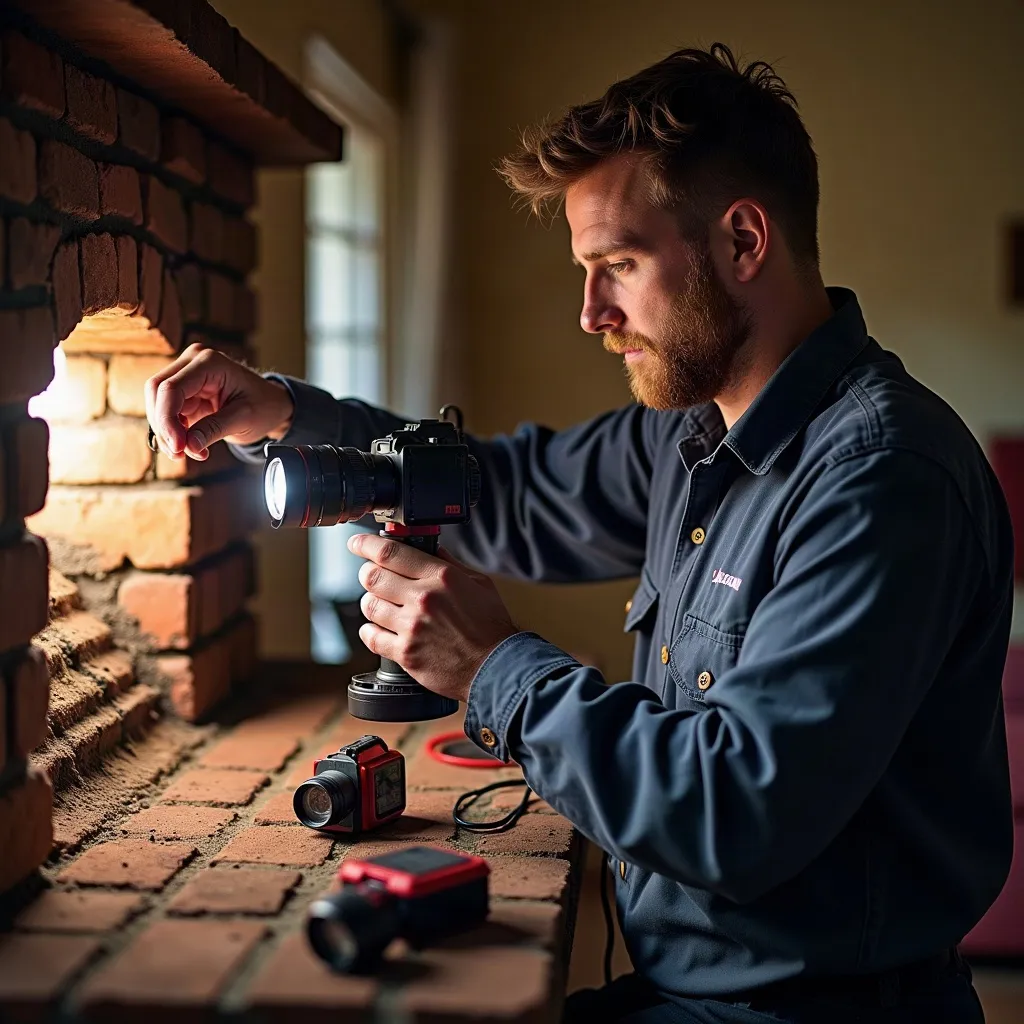
Why Typical Chimney Inspections Are Essential for Your Health
While several homeowners might disregard the importance of chimney maintenance, periodic inspections are essential for guaranteeing protection. A well-maintained chimney prevents possible risks, including chimney fires and carbon monoxide poisoning. Assessments can identify structural issues, clogs, or deterioration that may not be visible from outside. These concerns, if left unaddressed, can cause risky circumstances for the inhabitants of the residence.
Certified chimney professionals conduct these inspections to assess the state of flues, liners, and other components. They also check for creosote buildup and verify that the chimney is operating correctly. By putting resources in regular inspections, homeowners not only protect their property but also improve the safety of their families. In this way, proactive chimney care functions as a critical component of overall home upkeep, providing peace of mind and protecting against unforeseen dangers.
Impact of Creosote Buildup on Heating Efficiency
Tar buildup significantly affects heating efficiency in residences depending on wood-burning stoves or fireplaces. As creosote accumulates within the chimney, it restricts airflow, impeding the necessary for draft for proper burning. This decreased airflow can lead to incomplete burning of wood, resulting in lower heat output and increased fuel consumption. Consequently, homeowners may find themselves using more firewood to attain the wanted warmth, which not only raises heating costs but also contributes to environmental pollution.
Similarly, excessive creosote can cause elevated danger of chimney fires, compelling expensive restoration and security concerns. Upholding ideal heating efficiency involves regular chimney inspections and cleanings to inhibit creosote concentration. By addressing this issue preventatively, homeowners can improve their heating systems' functionality, ensuring a safer, warmer living environment while reducing avoidable expenditure on fuel. Therefore, understanding the impact of creosote buildup is vital for efficient home heating management.
Standard Warning Signs That Your Chimney Should Have Assessment
Many residents may overlook subtle signs indicating that their chimney calls for inspection. Discoloration on the outside of the chimney, such as rust or marks, can suggest moisture intrusion, which may lead to structural damage. In addition, debris like bird nests or leaves can impede airflow and create hazardous conditions. Unusual odors, especially a strong, acrid smell, may signal creosote buildup or blockages. Cracks in the masonry or flue can weaken the chimney's integrity, causing further complications if not promptly addressed. Moreover, if homeowners notice smoke entering their living spaces when a fire is lit, this is a serious warning sign of a blocked chimney. Consistently monitoring these signs can avoid expensive repairs and boost safety. By staying alert to these signs, homeowners can ensure that their chimneys operate efficiently and safely.
What Occurs During a Chimney Examination?
During a chimney inspection, a qualified technician meticulously evaluates the structure to confirm security and functionality. The process usually begins with a visual assessment of the exterior, looking for indicators of deterioration or deterioration. The technician then examines the flue, verifying it is free of obstructions, creosote accumulation, or any structural issues that could hinder air circulation.
Following this, the inner coating is inspected for deterioration and breaks, which could create hazardous conditions. The professional additionally confirms that the chimney cap is secure, stopping unwanted pests and falling materials.
Moreover, the inspection includes testing the broad alignment and robustness of the chimney, confirming it fulfills safety codes. If any worries arise, the inspector suggests critical work or maintenance. Ultimately, this thorough review purposes to certify that the chimney works efficiently and safely, decreasing the peril of fire hazards and carbon monoxide exposure.
DIY Tips for Maintaining Your Chimney Between Inspections
Keeping a chimney in good condition between expert evaluations is crucial for safe and efficient operation. Consistent cleaning routines, along with simple visual inspection guidelines, can help property owners identify potential issues early. This preventative strategy guarantees that the chimney remains in proper working order and reduces the risk of dangerous buildup.
Regular Maintenance Practices
Maintenance routines are critical for homeowners who want to guarantee the safe and efficient operation of their chimneys. Regularly eliminating creosote and debris buildup can prevent dangerous blockages and lower fire hazards. Homeowners should consider using a chimney brush appropriate for their specific flue size, ensuring thorough cleaning from the top to bottom. Additionally, a vacuum can be applied to capture loose soot and ash. It is advisable to clean the firebox and surrounding area frequently to maintain a clean environment. Inspecting the chimney cap for debris or damage is also critical, as this component helps keep out animals and rain. By adopting these visit this page practices, homeowners can enhance their chimney's performance and prolong its lifespan.
Visual Examination Guidelines
How can homeowners successfully track their chimneys between expert evaluations? Regular visual inspections can help identify possible problems early. Homeowners should inspect for obvious fractures or damage on the chimney structure and guarantee that the flashing—where the chimney meets the roof—is intact. Examining the chimney cap is crucial; it should be free of debris and not show signs of rust. Furthermore, homeowners should look for any unusual soot buildup around the fireplace or odor emanating from the chimney, which may indicate blockages. Checking the surrounding area for overhanging branches or flammable materials is also important. By staying vigilant and performing these simple checks, homeowners can maintain their chimneys' safety and efficiency between professional evaluations.
Developing a Systematic Chimney Inspection Schedule for Safety
Creating a consistent fireplace examination timetable is crucial for ensuring security and performance. Property owners should be conscious of the recommended regularity of inspections, as well as signs that indicate a need for immediate care. Seasonal maintenance factors also play a important role in maintaining a safe and functional chimney system.
Examination Rate
Homeowners ordinarily should prioritize flue examinations to verify safety and functionality. The regularity of these inspections is essential for preserving a safe home environment. Professionals recommend annual inspections, especially for those who use their chimneys regularly. Properties with intensive chimney usage in winter may require more frequent checks, while occasional users might still benefit from an annual evaluation. Additionally, elements like local climate, the years of the chimney, and any recent renovations should influence the inspection schedule. Creating a consistent chimney inspection program not only assists in detecting potential issues early but also enhances the performance of the flue structure. Ultimately, a proactive approach to inspections can prevent costly repairs and ensure peace of mind for homeowners.
Indicators of Essential Evaluations
When occupants notice strange indicators related to their chimney, including creosote buildup, smoke backing up into the house, or visible cracks, it is crucial to think about scheduling an inspection. These marks often indicate underlying conditions that could harm both safety and efficiency. Additionally, if the chimney exudes an unusual odor or if there are signs of water damage, these should be managed promptly. The presence of rust or corrosion on metal parts can also point to a need for immediate attention. Routine inspections can prevent more major issues later, ensuring the chimney operates effectively. Homeowners should remain alert for these signs to maintain a safe and functional chimney system.
Seasonal Upkeep Considerations
Regular chimney inspections are essential for guaranteeing protection and performance throughout the year. Creating a regular inspection schedule helps homeowners identify possible dangers before they worsen. Seasonal maintenance considerations should include inspections before winter, when hearths are most frequently used, and after heavy storms or high winds. This proactive approach allows for the evaluation of creosote buildup and physical soundness. Homeowners should also think about scheduling inspections during spring, as this allows for required maintenance before the next heating season. By adhering to a seasonal schedule, individuals can ensure their chimneys function effectively, lower the chance of chimney fires, and maintain air quality within the home. Regular evaluations contribute significantly to the overall protection and durability of the chimney system.

Frequently Asked Inquiries
How Regular Should My Chimney Inspection Schedule Be?
Authorities advocate having a chimney assessed at least once annually. Regular inspections help recognize potential hazards, guarantee proper function, and safeguard safety, particularly for homes that regularly depend on their fireplaces or heating systems.
Is It Possible to check My Chimney on My Own?
While homeowners can perform basic visual checks for obvious issues, a professional inspection is encouraged. Technicians have the proficiency and apparatus to discover hidden flaws, preserving safety and peak performance of the chimney system.
What Qualifications Need to a Chimney Inspector Hold?
A skilled chimney examiner should possess qualifications from established bodies, in-depth education in chimney systems, understanding of safety codes, and experience in identifying damage and deterioration. Professional licensure and insurance are also essential for ensuring thorough inspections.
How Much Does a Chimney Inspection Cost?
The expense of a chimney evaluation usually ranges from $100 to $300, subject to factors like location, inspector qualifications, and inspection method. Homeowners should examine these aspects to guarantee a thorough evaluation of their chimney's structural state.
Do weather-related conditions influence chimney inspections?
Seasonal factors substantially influence chimney inspections. Cold weather can cause creosote buildup, while moisture from rain or snow may lead to degradation. Spring and fall are perfect seasons for thorough inspections to maintain peak functioning and safety.
Report this page